Best Last-Mile Delivery Partners for E-Commerce Brands in 2026
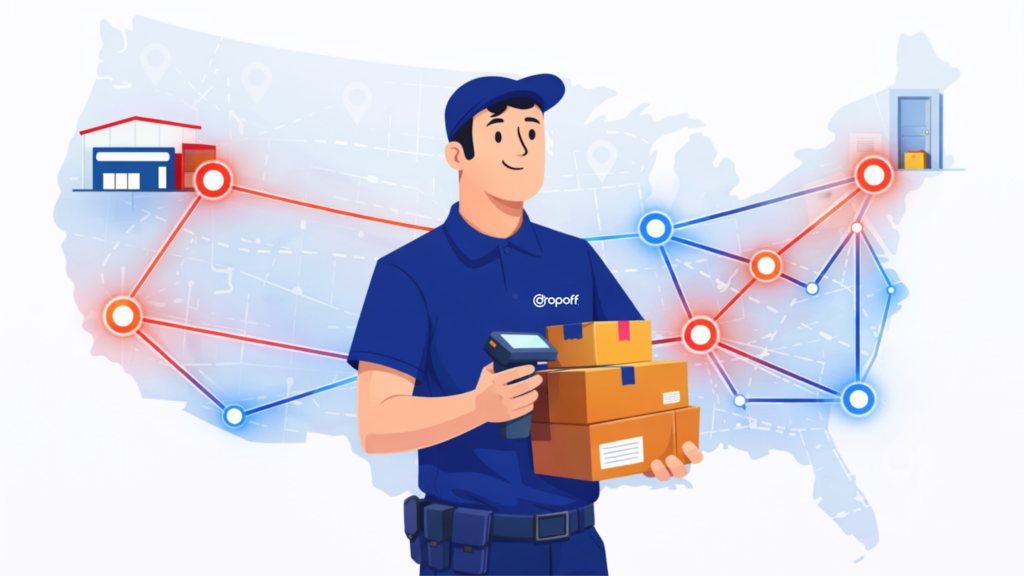
Choosing among last mile e-commerce companies has become one of the most consequential decisions in modern retail operations—because this final leg of fulfillment now dominates delivery cost structures, shapes customer satisfaction, and influences brand loyalty.
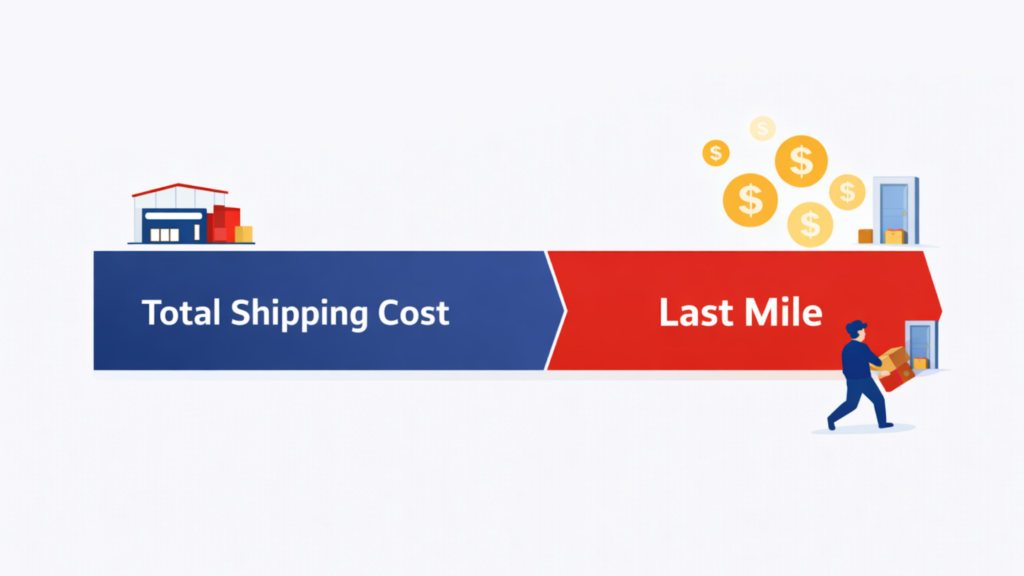
Research across industry and academic sources shows the last mile is no longer a marginal expense. Last-mile delivery costs now account for over 50% of total shipping costs, up from roughly 41% in 2018, making it the most expensive and operationally complex segment of delivery networks. Meanwhile, consumers are raising the bar: 66% now expect same-day delivery, and 98% say delivery experience influences brand loyalty—meaning weak last-mile execution directly erodes revenue and retention
This shift stems from the evolving difference between e-commerce companies and last mile delivery providers. E-commerce companies focus on demand creation, inventory, and checkout, while last-mile logistics determine whether that purchase ends in delight or frustration at the doorstep.
In 2026, e commerce last mile delivery is no longer a fulfillment afterthought. It is a strategic capability that affects margin, operational resilience, and customer lifetime value. Choosing the right ecommerce delivery partners requires grounding decisions in performance metrics, service models, and real execution outcomes, not surface features.
This guide provides a grounded, operator-focused view of leading last-mile delivery partners in the U.S., explains how their models differ, and outlines how supply-chain leaders should evaluate them based on real performance criteria.
What Is a Last-Mile Delivery Partner?
A last-mile delivery partner is a logistics provider responsible for transporting goods from a fulfillment node, such as a warehouse, store, or micro-fulfillment center, to the end customer.
This role is often misunderstood, which creates confusion when brands compare vendors. Clarifying the difference between e-commerce companies and last mile delivery providers is essential:
- E-commerce companies manage demand generation, checkout, inventory, and order orchestration.
- Last-mile delivery companies execute physical delivery, manage drivers, handle exceptions, and provide proof of completion.
While these functions are tightly connected, they are operationally distinct. When last-mile execution fails, no amount of frontend optimization can recover the customer experience.
Industry data underscores why this distinction matters. Multiple logistics studies show that the last mile now represents more than 50% of total shipping costs, up from roughly 41% in earlier years, making it the most expensive and operationally fragile segment of fulfillment.
Why Last-Mile Partner Choice Is Strategic in 2026
Over the past five years, delivery speed has improved significantly. McKinsey reports that between 2020 and 2023, average U.S. parcel delivery times increased by approximately 40%, driven by expanded local networks and faster fulfillment expectations.
At the same time, tolerance for delivery failures has dropped. DHL’s 2025 E-commerce Delivery & Returns Trends report highlights growing consumer frustration with high delivery costs, missed delivery windows, and poor returns experiences.
For operators, this means last-mile performance directly affects:
- Refund and reshipment rates
- Customer support workload
- Net promoter score and repeat purchase behavior
- Peak-season stability
In other words, selecting the wrong last-mile partner doesn’t just slow deliveries. It compounds operational risk.
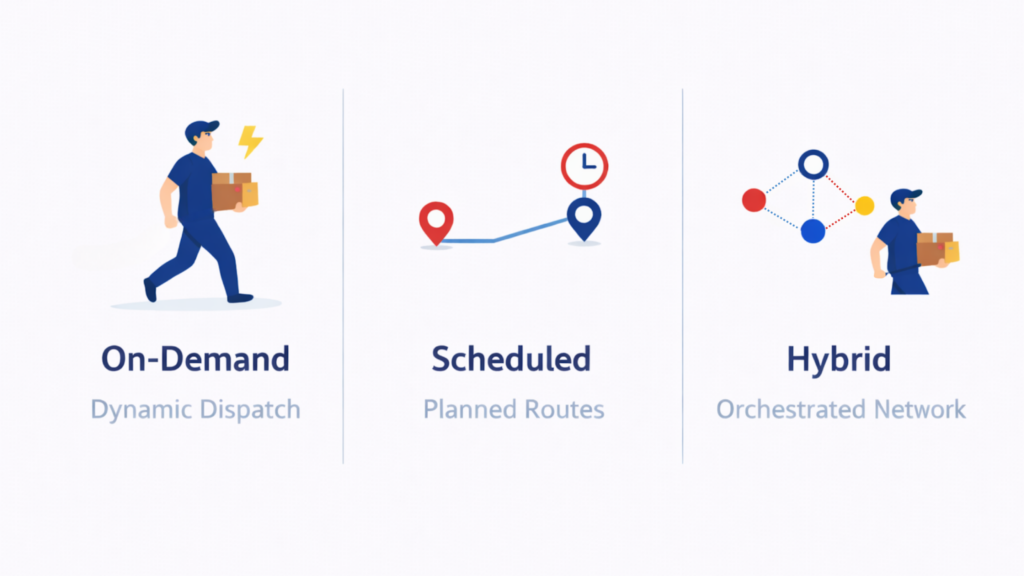
Operating Models Used by Last-Mile E-Commerce Companies
Not all last mile e-commerce companies operate the same way. Understanding delivery models helps brands match partners to real needs instead of surface-level features.
On-Demand Delivery Networks
On-demand networks dispatch couriers dynamically as orders are placed.
Strengths
- Fast same-day fulfillment
- Flexible labor model
- Useful for urgent or low-predictability demand
Limitations
- Variable service consistency
- Pricing volatility during peaks
- Limited SLA enforceability in some markets
Scheduled and Route-Based Delivery
Scheduled delivery relies on predefined routes and delivery windows.
Strengths
- Predictable costs
- Higher on-time delivery performance
- Easier SLA measurement
Limitations
- Less responsive to sudden demand spikes
This model is commonly used for subscription delivery, replenishment, and store-to-consumer programs.
Hybrid and Orchestrated Delivery Models
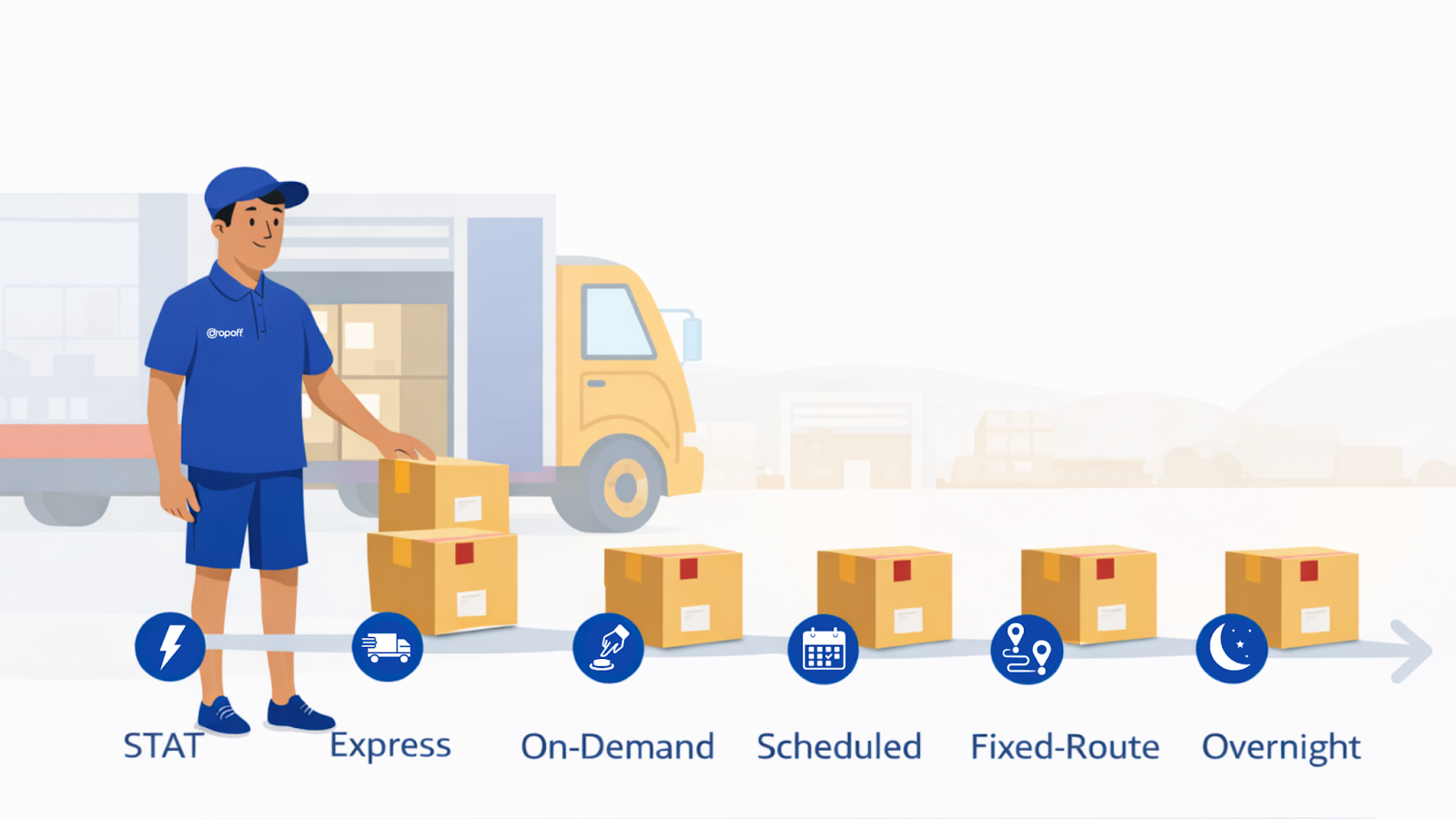
Hybrid models combine on-demand, scheduled, and express services under a unified operational framework.
Strengths
- Balances flexibility and control
- Reduces vendor sprawl
- Improves network-wide visibility
For growing brands, orchestration often matters more than raw coverage.
Top Last-Mile Delivery Partners for E-Commerce Brands
The last mile e-commerce companies market is best understood by operating model rather than brand size alone.
Managed B2B Last-Mile Delivery Partners
These providers focus on business-grade service standards, documentation, and accountability.
Dropoff
Dropoff provides same-day, scheduled, and route-based e-commerce delivery solutions built specifically for business operations, supporting brands that need consistency across markets rather than ad hoc fulfillment.
Operational strengths
- Centralized delivery orchestration across markets
- Professional, vetted couriers
- Real-time tracking and digital proof of delivery
- Consistent SLA standards across ZIP codes
Dropoff is frequently used by e-commerce brands consolidating multiple regional vendors into a single, accountable partner.
Category insight
Compared to gig-based platforms, managed B2B partners emphasize reliability, governance, and auditability over pure speed.
Tech-Enabled Parcel Carriers (1–2 Day Residential)
These providers function more like modern parcel carriers than traditional couriers.
- Veho – Technology-forward carrier focused on fast residential delivery
- OnTrac – Large regional parcel network competing with national ground services
- Better Trucks – Next-day residential delivery in select regions
- GLS US – Expanding U.S. parcel footprint as a carrier alternative
Category insight
Parcel carriers scale well for residential delivery but may lack flexibility for same-day, scheduled, or white-glove use cases.
White-Label Retail Delivery Networks
These platforms offer delivery-as-a-service using large consumer logistics networks.
- Walmart GoLocal – White-label same-day and scheduled delivery
- DoorDash Drive – Store-based retail and e-commerce fulfillment
Category insight
White-label networks provide speed and reach, but brands should assess control over customer communication, exception handling, and reporting depth.
Metro-Focused Last-Mile Specialists
These providers concentrate on dense urban markets.
- AxleHire – Same-day and next-day delivery in select metros
Category insight
Metro specialists can outperform national providers locally but require supplemental partners for broader coverage.
How to Evaluate Ecommerce Delivery Partners
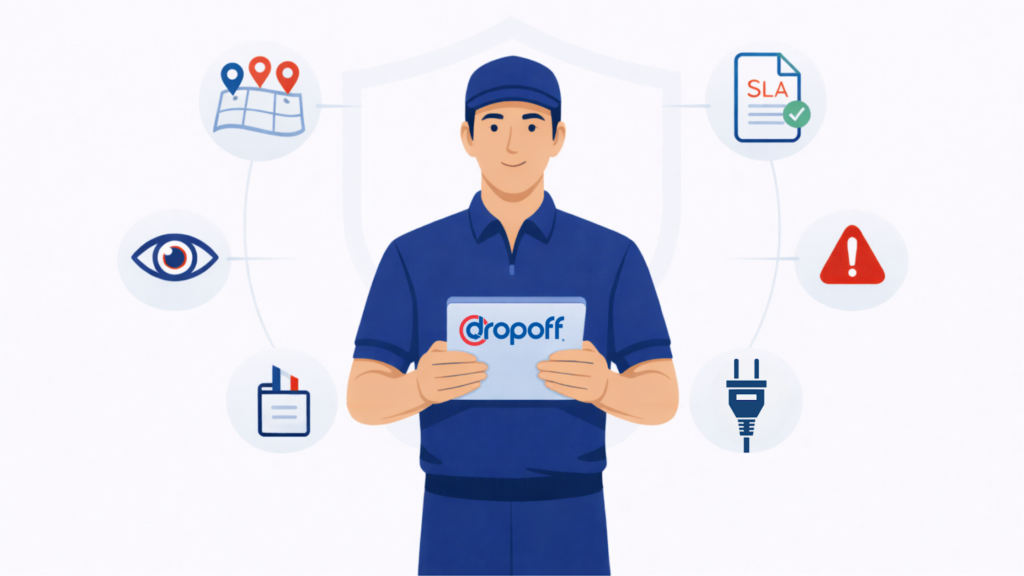
Choosing among ecommerce delivery partners requires more than comparing rates or coverage maps. The last mile directly affects cost per order, customer experience, and operational risk. A structured evaluation framework helps separate providers that scale cleanly from those that introduce hidden complexity.
Coverage and Network Design
Start with geographic reach, but don’t stop there. Coverage without density often leads to inconsistent performance, longer pickup windows, and fragile peak operations.
Evaluate:
- Market-by-market density rather than total ZIP code count
- Redundancy within key regions to absorb demand spikes or driver shortages
- How routes, same-day orders, and ad hoc deliveries coexist operationally
Strong last-mile networks are designed, not just assembled. Brands that prioritize network design over surface coverage typically see better reliability as volume grows.
Service Levels and Accountability
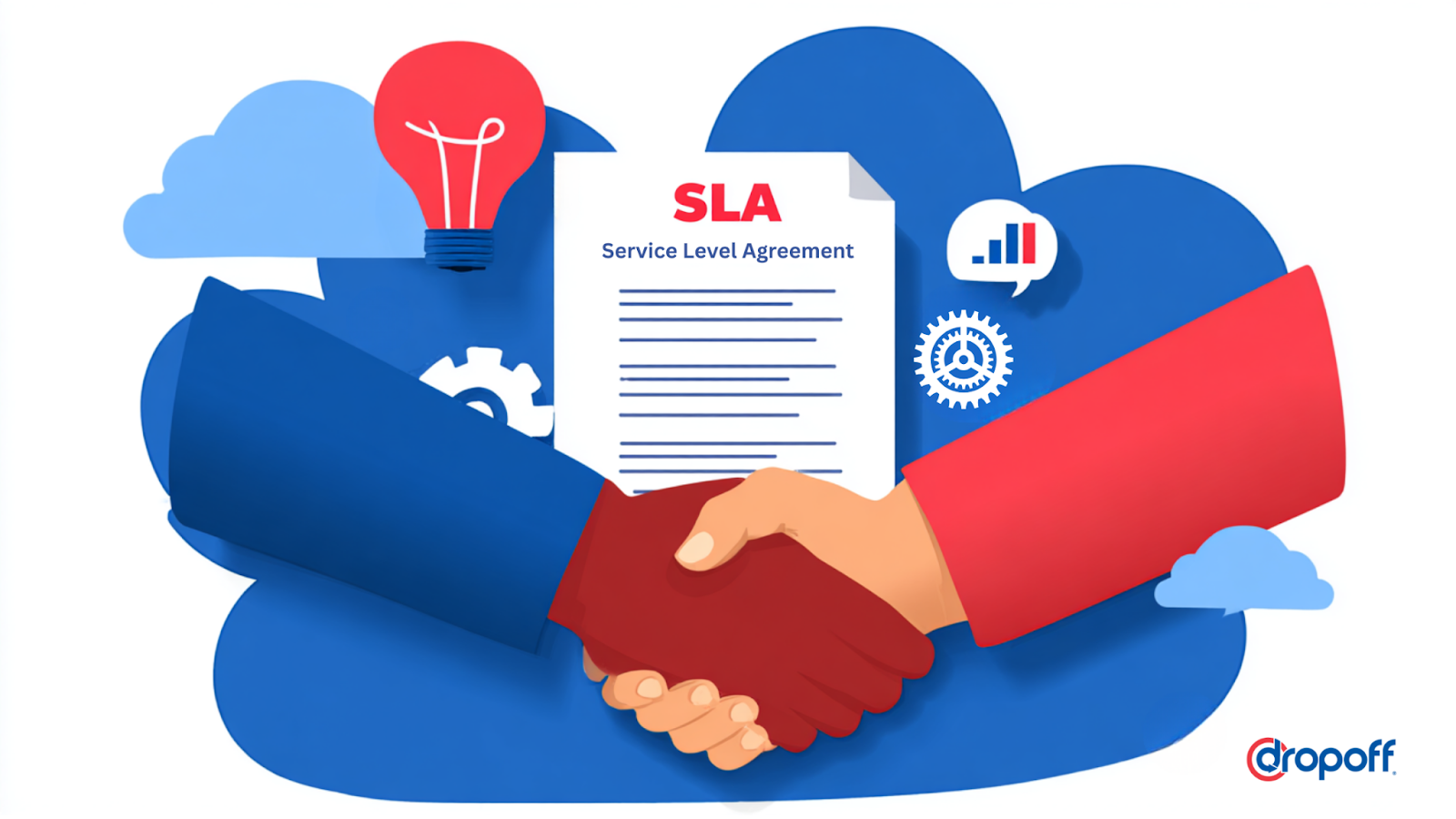
Service-level agreements only matter if they are clearly defined, consistently measured, and actively enforced.
Ask providers:
- How is on-time delivery defined? Pickup, promised window, or final confirmation?
- Are SLAs uniform across markets or variable by region?
- What happens when performance drops below threshold?
Accountability depends on clarity. Providers that cannot explain how they govern performance internally will struggle to improve it externally. This is often where marketing claims diverge from operational reality.
Visibility and Proof of Delivery
Delivery visibility is not just a customer-facing feature. It is an operational control layer.
Look for:
- High-resolution tracking events throughout the delivery lifecycle
- Digital proof-of-delivery artifacts such as photos, signatures, and timestamps
- Data that supports internal audits, claims resolution, and customer support workflows
Brands focused on improving last-mile delivery efficiency often find that better visibility reduces support tickets, accelerates exception handling, and lowers total fulfillment cost.
Exception and Claims Handling
Every delivery network experiences failures. The differentiator is how quickly and predictably those failures are resolved.
Evaluate:
- How exceptions are categorized and logged
- Average resolution time for delays, damages, and misdeliveries
- Whether claims processes are manual, automated, or integrated
Slow or opaque exception handling creates downstream cost in customer service, refunds, and brand trust. This is often the hidden tax of poorly governed delivery partnerships.
Integration and Operational Fit
Finally, assess how well a partner fits into your existing operational stack. Many of the same principles used when choosing a third-party logistics provider apply to last-mile partners—especially around integration, governance, and long-term scalability.
Key questions include:
- Availability and maturity of APIs or native integrations
- Typical onboarding timelines and required internal resources
- Data flow into OMS, WMS, or customer service systems
Delivery partners should reduce operational friction, not introduce new workflows teams must manually maintain. Many of the same principles used when selecting a logistics provider apply here as well.
Why This Framework Matters
Brands that skip structured evaluation often end up managing delivery through escalation instead of systems. Those that apply consistent criteria across coverage, accountability, visibility, and integration are better positioned to scale without multiplying vendors or operational risk.
Common Mistakes Brands Make When Choosing Last-Mile Partners
Even experienced operations teams tend to repeat the same mistakes when selecting last-mile partners. These missteps usually don’t surface during pilot phases. They appear later, as volume scales and edge cases multiply.
Selecting Partners Based Solely on Cost per Delivery
Cost per delivery is an easy metric to compare and a dangerous one to optimize in isolation. Low headline rates often mask downstream costs tied to missed SLAs, customer service escalations, refunds, and re-deliveries.
Brands that optimize purely for price frequently end up paying more in exception handling and customer churn than they save on transportation.
Over-Prioritizing Speed Without Governance
Fast delivery only creates value when it is repeatable and accountable. Providers that promise aggressive delivery windows without clear service definitions, escalation paths, or audit trails tend to perform inconsistently once demand fluctuates.
Speed without governance shifts risk from the carrier to the brand.
Managing Too Many Vendors Without Orchestration
Adding vendors often feels like a way to increase coverage or redundancy. In practice, unmanaged multi-vendor stacks introduce fragmented reporting, inconsistent customer experiences, and operational blind spots.
Without centralized orchestration, teams end up managing delivery through spreadsheets and escalations rather than systems.
Why These Mistakes Compound Over Time
Each of these choices increases operational complexity and erodes service consistency. As order volume grows, the cost of coordination, reconciliation, and exception management rises faster than delivery spend itself.
Brands that avoid these pitfalls tend to prioritize accountability, visibility, and consolidation early—before last-mile delivery becomes a constraint on growth.
Why Brands Are Consolidating Last-Mile Delivery Partners
As parcel volumes grow and the number of available last mile e-commerce companies increases, many brands are reaching the same conclusion: more partners do not necessarily create more resilience.
Fragmented last-mile stacks introduce operational drag. Each additional vendor adds its own SLAs, reporting formats, exception workflows, and escalation paths. Over time, this complexity makes it harder to diagnose performance issues, enforce accountability, and maintain a consistent customer experience.
Consolidation helps brands regain control by improving:
- SLA consistency across markets and delivery types
- Reporting clarity, with fewer data sources and cleaner performance baselines
- Vendor accountability, by concentrating volume with partners that can be governed effectively
Rather than chasing incremental coverage, many teams are standardizing under fewer, more capable partners that can support multiple delivery modes through a single operational framework. This shift reflects a broader maturation of e-commerce last mile delivery as an operational discipline, not just a fulfillment tactic.
Conclusion
The market for last mile e-commerce companies continues to expand, but not all partners are equipped to deliver consistent, scalable performance as volume and expectations rise.
Understanding the difference between e-commerce companies and last mile delivery providers, selecting the right operating model, and evaluating partners through measurable, operational criteria are now core capabilities for retail and supply-chain leaders.
In 2026, the strongest e commerce last mile delivery strategies will favor accountability, visibility, and operational fit over novelty. Brands that treat last-mile delivery as a strategic function—rather than a transactional service—will be better positioned to protect margins, maintain service quality, and earn long-term customer trust.
FAQs About Last-Mile E-Commerce Companies
Last mile e-commerce companies specialize in the final leg of delivery from a distribution point, store, or micro-fulfillment center to the end customer. Unlike e-commerce platforms, which focus on merchandising, checkout, and order capture, last-mile providers are responsible for execution at the point where cost, customer experience, and operational risk are most concentrated.
This distinction explains why brands often separate their e-commerce technology stack from their last-mile delivery partners.
The difference between e-commerce companies and last mile delivery providers lies in ownership of execution.
E-commerce companies manage demand generation, inventory visibility, and order processing. Last-mile delivery providers manage physical fulfillment, including driver networks, routing, service levels, proof of delivery, and exception handling.
As volumes grow, brands increasingly treat last-mile delivery as an operational capability rather than a feature bundled into their e-commerce platform.
Brands that successfully scale ecommerce delivery partners tend to evaluate beyond price and speed.
Common selection criteria include:
Network density and market-level performance consistency
Clearly defined SLAs and accountability mechanisms
Delivery visibility, tracking resolution, and proof-of-delivery artifacts
Exception and claims resolution timelines
Integration with OMS, WMS, and customer service systems
Industry research consistently shows that governance and visibility have a greater impact on long-term delivery performance than marginal improvements in promised spee
Gig-based platforms can be effective for short-term, low-volume, or hyper-local use cases. However, studies on last-mile performance variability show that gig models often introduce inconsistency as volume scales due to fluctuating driver availability, limited SLA enforcement, and fragmented reporting.
For brands with national footprints or regulated delivery requirements, managed last-mile providers are often selected to reduce operational risk and improve accountability.
Multiple industry studies indicate that last-mile delivery accounts for more than half of total shipping costs in e-commerce operations. This is driven by labor intensity, failed delivery attempts, fragmented routes, and rising customer expectations for speed and flexibility.
Because of this cost concentration, last-mile optimization has become one of the highest-leverage opportunities for improving margin in e-commerce fulfillment.
Many brands start with multiple last-mile partners to expand coverage quickly. Over time, however, unmanaged multi-vendor stacks often increase complexity, reduce visibility, and weaken accountability.
Recent supply-chain research shows a clear trend toward consolidation under fewer, more capable partners that can support multiple delivery modes within a single operational framework. Consolidation improves SLA consistency, reporting clarity, and operational control as scale increases.