How to Become a Courier in 2026: Requirements, Salary, and How to Get Started

If you’re wondering how to become a courier, the process is relatively simple. Most courier drivers can start working with minimal experience as long as they have a valid driver’s license, a reliable vehicle, and the ability to complete time-sensitive deliveries.
Courier jobs play an essential role in the modern last-mile delivery industry, helping businesses transport packages, documents, medical supplies, and retail goods quickly and securely.
As e-commerce and same-day delivery continue to grow, demand for reliable courier drivers is increasing across industries like retail, healthcare, and logistics.
In this guide, you’ll learn:
- What courier drivers do
- The requirements to become a courier driver
- How much courier drivers earn
- The difference between independent couriers and employee courier jobs
- Where to find courier jobs
- The skills needed to succeed in the delivery industry
Whether you’re looking for a flexible side income or starting a long-term career in logistics, this guide explains exactly how to become a courier and get started in the industry.
What Does a Courier Do?
A courier is a delivery professional responsible for transporting packages, documents, medical supplies, and other items directly from one location to another. Unlike traditional shipping carriers that route packages through multiple distribution hubs, courier drivers typically handle direct, time-sensitive deliveries, often within the last mile of the supply chain.
In practical terms, a courier driver is responsible for ensuring that packages move quickly and securely between businesses, warehouses, healthcare facilities, and customers.
Typical Responsibilities of a Courier Driver
Most courier drivers perform several daily tasks, including:
- Picking up packages from warehouses, retail stores, labs, or offices
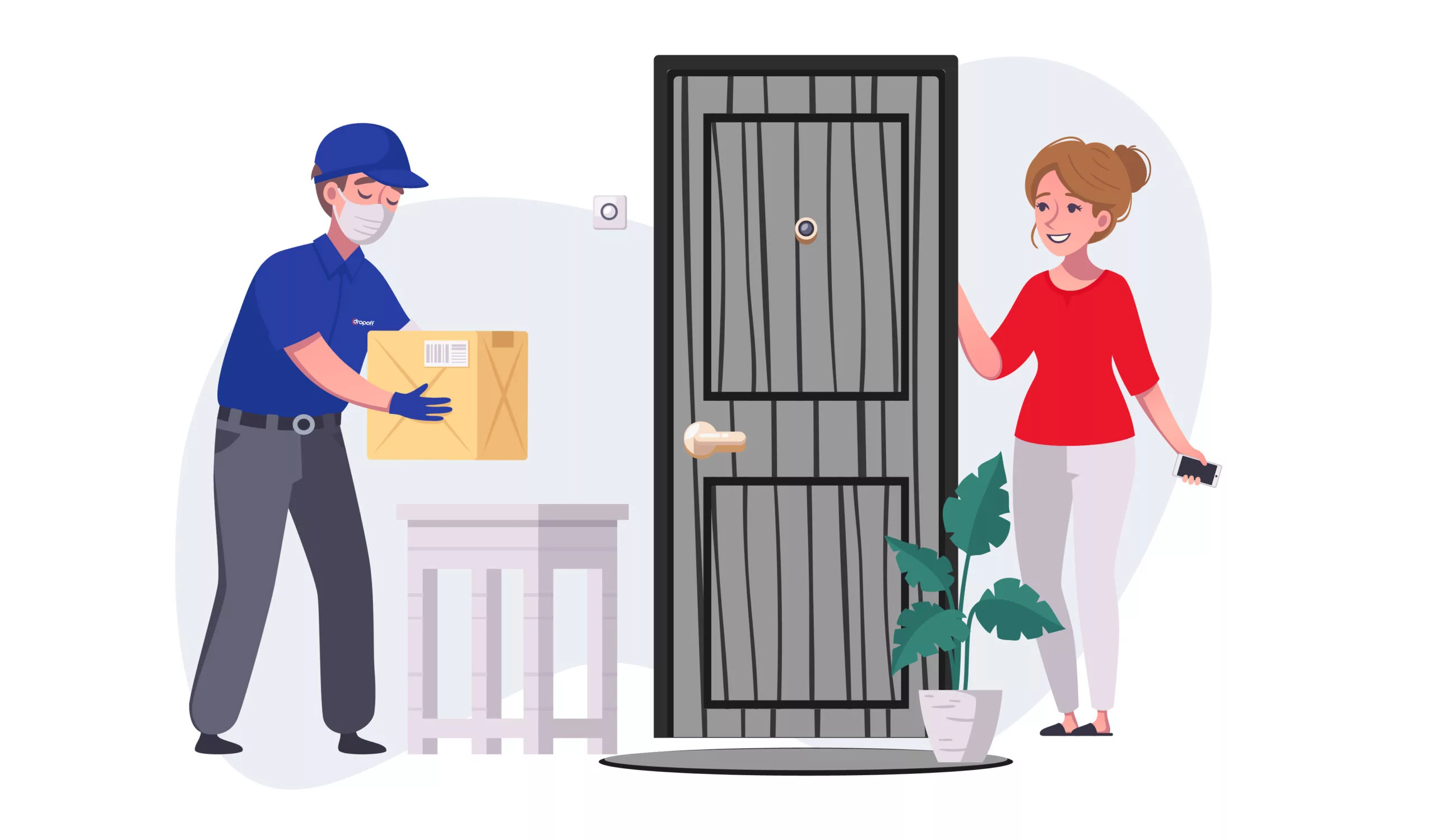
- Delivering items directly to businesses or customers on scheduled routes
- Planning efficient delivery routes using navigation and routing tools
- Communicating with dispatch teams and customers about delivery status
- Confirming deliveries using proof-of-delivery systems
Couriers play an important role in the logistics ecosystem by helping businesses complete fast and reliable deliveries. You can learn more about how courier services differ from traditional shipping providers in our guide to carrier vs courier: what’s the difference.
Step-by-Step: How to Become a Courier

If you want to know how to become a courier, the process is relatively simple. Most courier drivers can start working within a few weeks if they meet basic requirements such as having a valid driver’s license and reliable vehicle.
How to Become a Courier in 5 Steps
1. Meet the basic courier requirements
To start working as a courier driver, you typically need a valid driver’s license, a clean driving record, and access to a reliable vehicle suitable for deliveries.
2. Choose your work model
Courier drivers can either work as employees for a delivery company or operate as independent courier contractors who accept deliveries from multiple clients.
3. Prepare your vehicle and insurance
Independent couriers must ensure their vehicle is properly insured and capable of transporting packages safely.
4. Apply to courier companies or delivery platforms
Many courier jobs are available through logistics providers, last-mile delivery companies, and specialized courier networks.
5. Build delivery experience
New courier drivers typically start with smaller delivery routes and gradually gain experience handling high-priority deliveries.Following these steps allows many drivers to start working quickly in the growing last-mile delivery industry.
Why Courier Work Is Growing
Courier work has grown rapidly as businesses and consumers demand faster delivery options.
E-commerce expansion, healthcare logistics, and same-day delivery services have increased the need for reliable courier drivers who can move packages quickly and securely.
According to the U.S. Bureau of Labor Statistics, courier and messenger workers are an essential part of the transportation industry, supporting sectors such as retail, healthcare, and manufacturing.
Professional delivery networks such as Dropoff coordinate time-critical deliveries for businesses across the country, helping organizations transport products, medical supplies, and documents quickly and reliably.
Because many deliveries involve strict deadlines or sensitive materials, courier drivers play a critical role in ensuring supply chains operate smoothly.
As businesses continue to prioritize fast and flexible delivery options, demand for skilled courier drivers is expected to remain strong.
Courier Driver Requirements
Before starting a courier job, drivers must meet several basic qualifications.
Most courier positions do not require formal education, but drivers must demonstrate reliability and the ability to complete time-sensitive deliveries.
Common Courier Driver Requirements
To become a courier driver, most companies require:
- A valid driver’s license
- A clean driving record
- Legal authorization to work
- Reliable transportation
- A smartphone for navigation and delivery apps
Independent couriers may also need commercial auto insurance or goods-in-transit coverage. The U.S. Small Business Administration guide to business insurance explains the types of coverage small businesses and independent contractors should consider.
Some specialized courier roles — such as medical courier jobs — may require additional training related to healthcare compliance or secure transport procedures.
Types of Courier Jobs You Can Start
If you’re researching how to become a courier, it’s helpful to understand that courier work includes several different delivery specialties. Each type of courier job serves different industries and may require different vehicles, training, or certifications.
Below are some of the most common courier career paths.
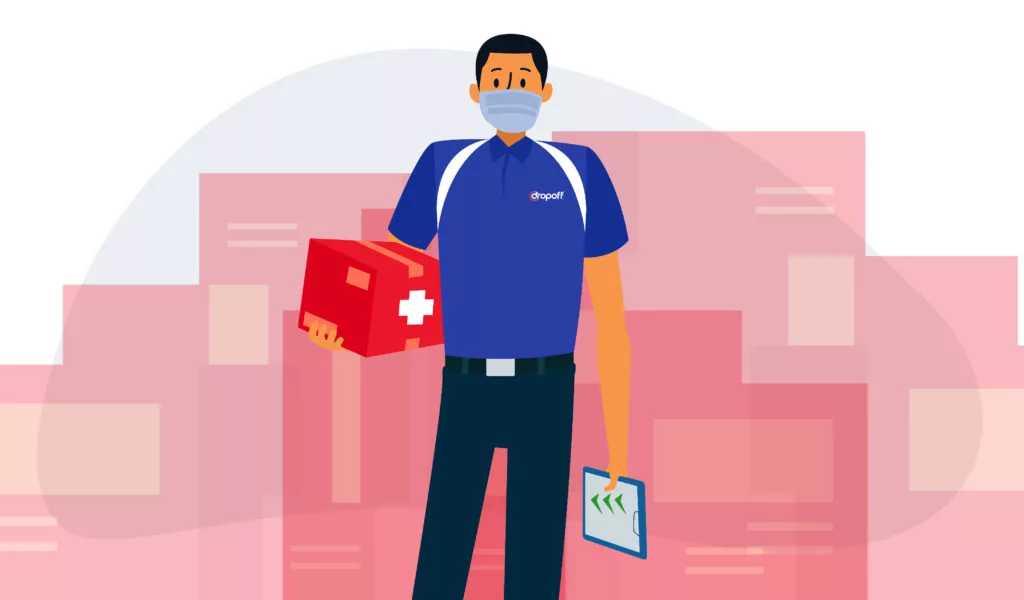
Medical Courier
Medical couriers transport sensitive healthcare materials such as laboratory specimens, pharmaceuticals, and medical supplies between hospitals, labs, and clinics.
Because these deliveries often involve regulated materials and strict deadlines, medical couriers must follow specialized handling procedures. Learn more in our guide to how to become a medical courier.
Package Delivery Courier
Package delivery couriers transport retail goods, e-commerce shipments, and business packages between distribution centers and customers.
This type of courier work is common within same-day delivery networks and often involves completing multiple deliveries along a route.
Legal Courier
Legal couriers specialize in transporting confidential documents between law firms, courts, and government offices.
These deliveries often require secure handling and accurate documentation to ensure sensitive information remains protected.
Independent Courier
Independent couriers operate as contract delivery drivers, accepting delivery assignments from logistics companies or businesses.
This model allows drivers to work flexible schedules and manage their own delivery routes.
Many independent couriers partner with logistics providers such as Dropoff, which connect drivers with businesses that need time-critical deliveries.

Skills Successful Couriers Need
Courier drivers must combine driving ability with strong operational and customer service skills. These skills help ensure deliveries arrive safely and on time.
Navigation and Route Planning
Courier drivers often complete multiple deliveries during a single shift. Strong navigation skills help drivers plan efficient routes and minimize delays.
Time Management
Many courier deliveries must be completed within strict time windows. Effective time management allows drivers to meet delivery deadlines and maintain reliability.
Customer Communication
Couriers regularly interact with customers, dispatch teams, and business staff. Professional communication helps ensure smooth deliveries and positive customer experiences.
Reliability and Professionalism
Businesses rely on courier drivers to handle important packages, medical supplies, and documents. Dependability and attention to detail are essential for maintaining trust.
Developing these skills helps courier drivers build a strong reputation and secure more delivery opportunities.

What Businesses Expect From Professional Couriers
Courier drivers are responsible for more than simply moving packages from one place to another. Businesses depend on professional couriers to deliver items securely, on time, and with proper documentation.
Many courier services support industries where reliability and compliance are critical, including healthcare logistics, retail distribution, and enterprise supply chains.
On-Time Delivery Windows
Many deliveries must arrive within strict time windows. This is especially important for urgent shipments such as medical supplies or legal documents.
Chain-of-Custody Documentation
Sensitive deliveries often require documentation showing who handled a package and when it was transferred between locations.
Proof of Delivery Verification
Modern courier services rely on digital delivery confirmation systems that record signatures, photos, or electronic verification to confirm successful deliveries. These tools create a clear record that a package arrived safely and on time, often called proof of delivery.
Dispatch Communication
Courier drivers frequently communicate with dispatch teams to update delivery status or report delays. This communication helps maintain transparency throughout the delivery process.
Meeting these standards helps businesses maintain reliable delivery operations and strong customer relationships.
How Courier Deliveries Work
Courier deliveries follow a structured process designed to move packages quickly and securely between businesses and customers.
Courier Delivery Workflow
Pickup Request
A business schedules a delivery request through a courier service or logistics provider.
Dispatch Assignment
A courier driver is assigned the delivery job and receives pickup and delivery instructions.
Package Pickup
The courier collects packages from a warehouse, store, laboratory, or office location.
Route Optimization
Navigation tools identify the fastest route for completing deliveries efficiently.
Delivery Confirmation
The courier completes the delivery and verifies it through digital proof-of-delivery systems.
This workflow allows courier companies to manage same-day and time-critical deliveries efficiently while maintaining real-time delivery visibility.
How Much Do Courier Drivers Make?
Courier driver salaries vary depending on several factors, including location, delivery volume, and whether the driver works independently or for a delivery company.
Factors That Affect Courier Earnings
Courier income can vary based on:
- Location and local delivery demand
- Number of deliveries completed
- Type of courier work performed
- Vehicle type used for deliveries
- Independent contractor vs employee status
According to the U.S. Bureau of Labor Statistics, courier and messenger workers earn a median annual wage of around $36,000, although experienced drivers can earn significantly more depending on delivery volume and specialization.
Many independent couriers increase earnings by:
- Running multi-stop delivery routes
- Partnering with logistics providers
- Specializing in healthcare or enterprise deliveries
With experience and reliable service, courier drivers can expand their delivery networks and increase earning potential.
Start Your Courier Career
If you’re ready to learn how to become a courier driver and start working in the delivery industry, the next step is finding a reliable courier network that connects drivers with delivery opportunities.
Courier work offers flexible earning potential and the opportunity to work with businesses across industries such as:
- retail and e-commerce
- healthcare logistics
- legal and document delivery
- enterprise supply chains
Professional courier networks allow drivers to deliver packages for businesses that depend on fast, reliable transportation.
One example is Dropoff, a nationwide logistics provider that connects professional courier drivers with companies requiring time-critical deliveries.
Dropoff supports hundreds of businesses across the United States, coordinating deliveries for retailers, pharmacies, laboratories, and other organizations that rely on secure and efficient last-mile logistics.
Working with a professional courier network allows drivers to:
- access consistent delivery opportunities
- gain experience handling time-sensitive shipments
- build relationships with businesses that rely on reliable courier services
If you’re ready to start working as a courier, you can apply to become a courier with Dropoff and begin accepting delivery opportunities in your area.
FAQs on How to Become a Courier
In most cases, you do not need a special license to become a courier driver. Most courier jobs only require a valid driver’s license and a clean driving record.
However, larger delivery vehicles may require a commercial driver’s license (CDL) depending on vehicle weight and state regulations. Drivers working in specialized delivery sectors may also need additional certifications or training.
Courier driver salaries vary depending on location, experience, and the type of delivery work performed. According to the U.S. Bureau of Labor Statistics, courier and messenger workers earn a median annual wage of approximately $36,000, though experienced drivers may earn more depending on delivery volume. Independent couriers often increase their earnings by:
completing multi-stop delivery routes
partnering with logistics companies
specializing in healthcare or enterprise deliveries
Many independent courier drivers use their own vehicles to complete deliveries. These vehicles may include cars, SUVs, cargo vans, or small delivery trucks. Courier drivers who work as employees for delivery companies may use company-owned vehicles instead. Vehicle requirements vary depending on the type of deliveries being handled.
Because most courier jobs have minimal training requirements, many drivers can begin working within a few weeks of applying. After meeting basic requirements — such as having a driver’s license, insurance, and a suitable vehicle — new couriers can begin accepting delivery assignments and building experience.
Courier drivers rely on several tools to complete deliveries efficiently and safely. Common courier equipment includes:
smartphone with navigation apps
phone mount and charger
insulated delivery bags
package storage containers
safety equipment for vehicle operation
Many courier companies also provide mobile apps that allow drivers to receive delivery assignments, track routes, and confirm deliveries electronically. These tools help courier drivers manage deliveries efficiently while maintaining accurate delivery records.