DAP vs DDP: Key Differences, Costs & Responsibilities
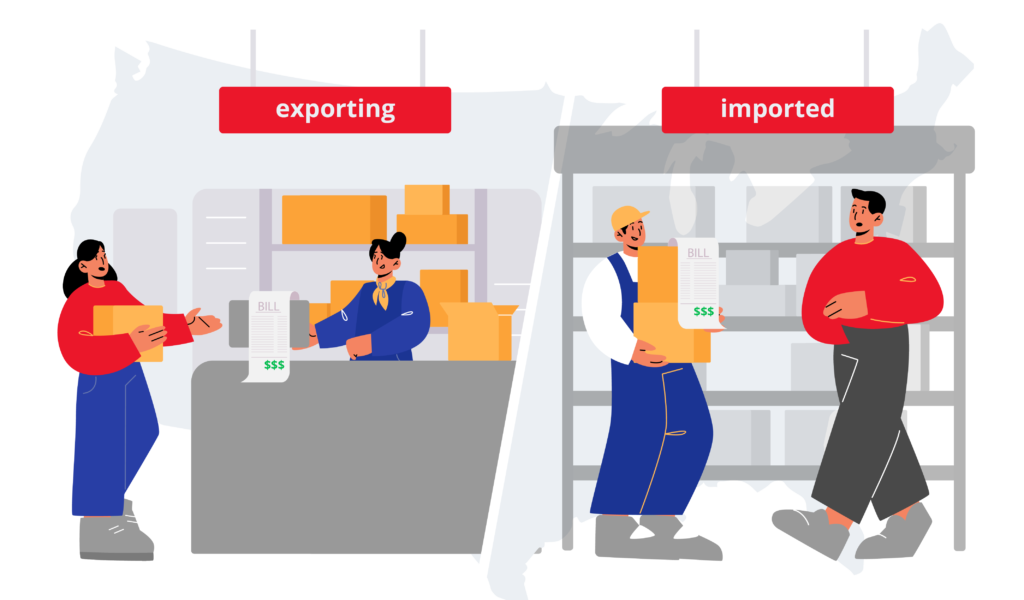
If you’re shipping internationally, few decisions affect cost, customs exposure, and delivery performance more than choosing between DAP vs DDP under Incoterms.
DAP (Delivered at Place) and DDP (Delivered Duty Paid) are two Incoterms® 2020 rules that define who pays freight, who handles customs clearance, who covers import duties and VAT, and when risk transfers from seller to buyer. For ecommerce operators, supply chain directors, healthcare logistics managers, cross-border import/export teams, and 3PL buyers, the difference between DAP and DDP directly impacts landed cost, compliance risk, and customer experience.
The main difference between DAP and DDP is who pays import duties and manages customs clearance. Under DAP, the buyer is responsible for import duties, VAT, and customs processing once goods arrive. Under DDP, the seller assumes those responsibilities and delivers goods duty-paid to the named destination.
Quick answer:
Choose DAP when the buyer manages import clearance.
Choose DDP when the seller handles duties and delivers duty-paid.
But choosing between DAP vs DDP is not just about duties. It affects working capital, regulatory liability, and last-mile execution. This guide breaks down the responsibilities, cost impact, real-world examples, and when to use each term—so you can structure international shipments with clarity and control.
What Are Incoterms® 2020 and Why They Matter
What Are Incoterms® 2020 Rules?
Incoterms® 2020 are standardized international trade rules published by the International Chamber of Commerce (ICC). These rules define how costs, risk, and responsibilities are allocated between buyers and sellers in cross-border transactions. When referenced in a sales contract, Incoterms® become legally binding and determine which party is responsible for freight, customs clearance, import duties, and delivery risk.
The current version, Incoterms® 2020, remains in effect until the next scheduled revision in 2030. Each of the 11 Incoterms defines a specific transfer point for cost and risk.
For DAP vs DDP, that clarity determines:
- Who arranges and pays for international freight
- Who clears goods through customs
- Who pays import duties and VAT
- When risk transfers from seller to buyer
Understanding Incoterms® 2020 is essential before deciding between DAP and DDP, because the term you select directly affects compliance exposure, landed cost predictability, and working capital.
What Incoterms Do — and Don’t Do
Incoterms allocate cost and risk between trading parties. They do not:
- Guarantee on-time delivery
- Ensure regulatory or product compliance
- Replace commercial contracts
- Govern domestic last-mile performance standards
This distinction matters in the DAP vs DDP decision. Many shippers assume choosing DDP ensures a seamless delivery experience. In reality, Incoterms define financial and legal responsibility—not service quality or operational execution.
That difference becomes critical in regulated industries, ecommerce fulfillment, and time-sensitive shipments.
What Is DAP (Delivered at Place)?
DAP (Delivered at Place) is an Incoterms® 2020 rule under which the seller is responsible for delivering goods to a named destination, ready for unloading. Once the goods arrive and are placed at the buyer’s disposal, risk transfers to the buyer.
Seller Responsibilities Under DAP
Under DAP, the seller must:
- Handle export clearance and documentation
- Arrange domestic and international freight
- Deliver goods to the agreed destination
- Bear risk until goods are placed at the buyer’s disposal
Buyer Responsibilities Under DAP
Under DAP, the buyer must:
- Clear goods through import customs
- Pay import duties and VAT
- Arrange and pay for unloading
- Act as importer of record in most transactions
When Does Risk Transfer Under DAP?
Under the ICC’s Incoterms® 2020 DAP rule, risk transfers when the goods are placed at the disposal of the buyer at the named destination, ready for unloading. The seller bears risk during transit. Once the goods are made available at the delivery location—even before unloading begins—the buyer assumes risk.
This transfer point is one of the most important distinctions in DAP vs DDP shipping.
Who Is the Importer of Record Under DAP?
In most DAP shipments, the buyer acts as the importer of record and assumes responsibility for customs compliance, duty payment, and regulatory documentation in the destination country.Summary of DAP:
Under DAP, the seller pays for transportation and export clearance, but the buyer is responsible for import clearance, duties, VAT, and unloading once goods arrive.
What Is DDP (Delivered Duty Paid)?
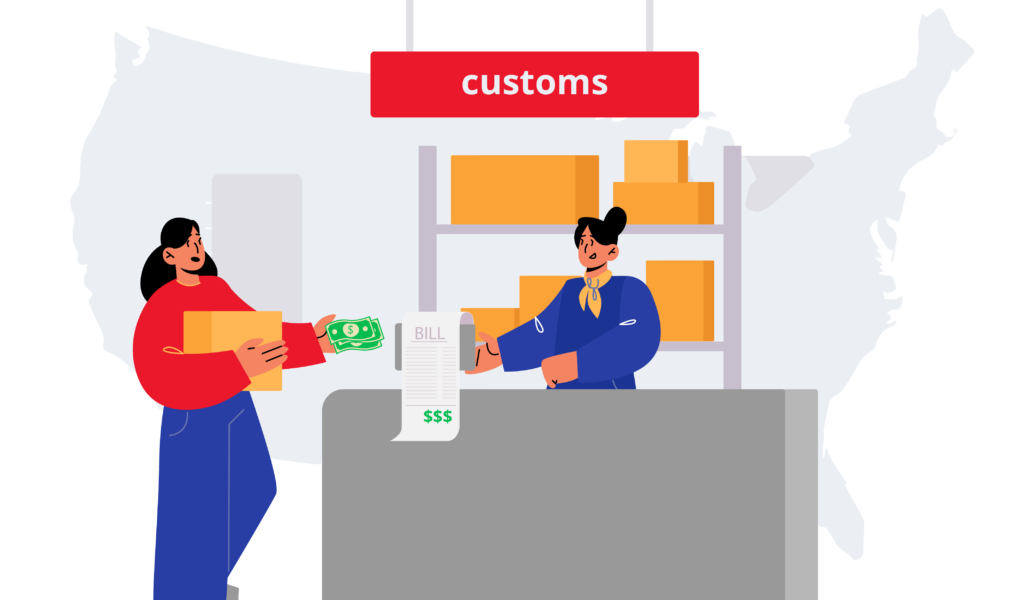
DDP (Delivered Duty Paid) is an Incoterms® 2020 rule that places maximum responsibility on the seller. Under DDP shipping, the seller handles export clearance, international freight, import clearance, duties, taxes, and delivery to the named destination. Risk remains with the seller until goods are delivered to the agreed place.
In a DAP vs DDP comparison, DDP shifts both financial and compliance responsibility from the buyer to the seller.
Seller Responsibilities Under DDP
Under DDP, the seller must:
- Clear goods for export in the country of origin
- Arrange and pay for international freight
- Clear goods for import in the destination country
- Pay all applicable import duties and VAT
- Deliver goods to the named destination
- Bear risk until delivery occurs
Because the seller manages both export and import formalities, DDP creates broader regulatory exposure than DAP.
Buyer Responsibilities Under DDP
Under DDP, the buyer’s responsibility is typically limited to unloading the goods at the named place. The buyer does not arrange customs clearance or pay import duties.
This structure makes DDP attractive for buyers seeking predictable landed costs.
Who Is the Importer of Record Under DDP?
In most DDP transactions, the seller (or a seller-appointed agent) acts as the importer of record, assuming legal responsibility for customs compliance, duty payment, and required documentation in the destination country.
As the U.S. Department of Commerce explains in its overview of international trade responsibilities, the selected Incoterm directly determines which party assumes import obligations. Under DDP, that responsibility typically falls on the seller.
Acting as importer of record may require:
- Registration with customs authorities
- Tax identification in the destination country
- Compliance with local regulatory frameworks
- Record-keeping and audit readiness
For companies shipping medical devices, pharmaceuticals, or controlled goods, this distinction materially affects compliance risk.
Is Insurance Required Under DDP?
Insurance is not mandatory under DDP according to Incoterms® 2020. However, because the seller bears risk until delivery is completed, most sellers purchase cargo insurance to mitigate financial exposure during transit and customs clearance.
In a DAP vs DDP decision, this insurance consideration is often built into DDP pricing.
DAP vs DDP Comparison Table
| Factor | DAP | DDP |
| Export clearance | Seller | Seller |
| Freight cost | Seller | Seller |
| Import clearance | Buyer | Seller |
| Duties & VAT | Buyer | Seller |
| Risk transfer point | At delivery (before unloading) | At delivery |
| Importer of record | Buyer | Seller |
| Landed cost predictability | Lower | Higher |
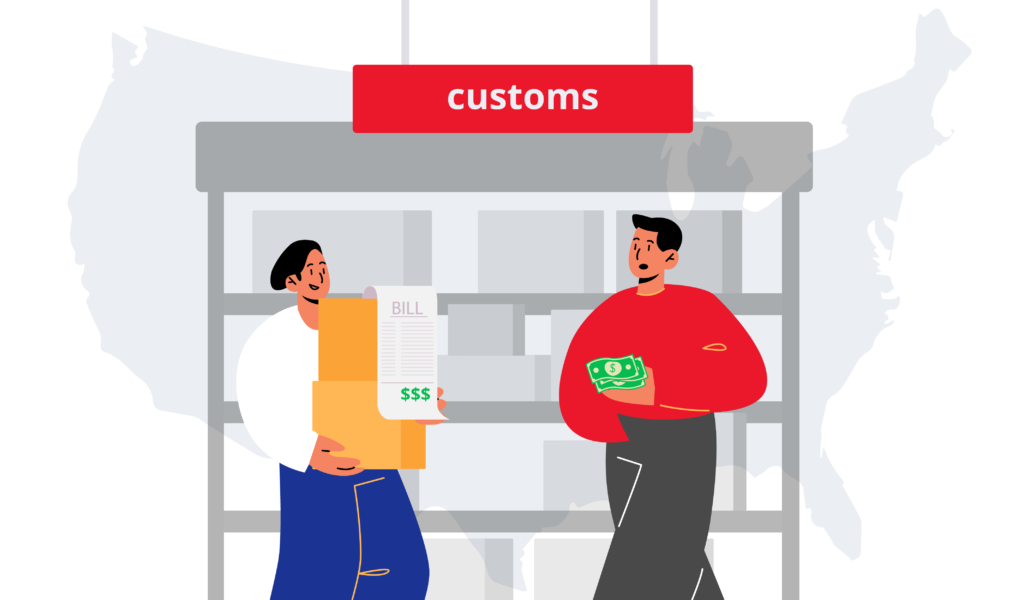
When evaluating DAP vs DDP shipping terms, the core difference is clear: under DDP, the seller assumes import clearance, duty payment, and importer-of-record obligations.
If you need help structuring international deliveries or understanding landed cost impact, you can get a delivery quote or talk to a logistics expert.
DAP vs DDP Cost Impact and Landed Cost Calculation

Choosing between DAP vs DDP directly affects landed cost, working capital allocation, and cash flow timing.
How Duties and VAT Affect Total Cost
Consider a $100,000 shipment entering a market with:
- 8% import duty = $8,000
- 20% VAT applied to value + duty
VAT base: $108,000
VAT: $21,600
- Customs brokerage fee: $750
Total import-related charges: $30,350
Under DAP, the buyer pays these charges upon import clearance.
Under DDP, the seller pays these charges upfront and typically incorporates them into the invoice price.
The financial responsibility does not disappear—it shifts.
Why DDP Often Increases Upfront Cost
DDP increases the seller’s invoice value because it bundles:
- Import duties
- VAT
- Brokerage and clearance fees
- Administrative overhead
- Compliance risk premium
- Insurance (if purchased)
While this raises upfront pricing, it improves landed cost predictability and simplifies budgeting for the buyer.
For ecommerce brands, this predictability reduces delivery friction and unexpected charges at customs.
How to Estimate Landed Cost Under Each Term
To calculate landed cost when comparing DAP vs DDP:
- Determine product transaction value
- Identify the correct HS code
- Confirm applicable duty rate
- Calculate VAT (including taxable base rules)
- Add customs brokerage fees
- Add freight and insurance costs
- Account for importer-of-record compliance expenses
Ecommerce sellers shipping into the EU should also account for VAT import frameworks, including the Import One-Stop Shop (IOSS) thresholds for low-value goods, which affect whether VAT is collected at checkout or at the border.
Proper landed cost modeling prevents margin erosion and reduces compliance surprises under either DAP or DDP.

Real-World Example: DAP vs DDP in Practice
Understanding DAP vs DDP in theory is useful. Seeing how the terms operate in real supply chain scenarios makes the risk allocation clear.
Scenario 1: Ecommerce Retailer Shipping to EU
Since July 2021, the EU has implemented the Import One-Stop Shop (IOSS) framework for low-value imports, allowing sellers to collect VAT at checkout rather than at the border. For ecommerce brands shipping cross-border, this directly affects whether DAP or DDP creates a smoother customer experience.
Under DAP:
- Customer pays VAT at customs upon arrival
- Risk of surprise charges at delivery
- Increased likelihood of refused or abandoned shipments
- Friction in the post-purchase experience
Under DDP:
- Seller collects VAT upfront at checkout
- Predictable total cost for the buyer
- Reduced customs friction
- Higher conversion and retention potential
For ecommerce operators focused on repeat purchases and brand trust, DDP structures often reduce delivery friction. However, they require the seller to manage VAT registration and compliance.
In a DAP vs DDP ecommerce decision, the trade-off is clear: operational simplicity for the buyer versus compliance responsibility for the seller.
Scenario 2: Medical Device Manufacturer Shipping to the U.S.
For regulated goods, DAP vs DDP becomes a compliance decision—not just a financial one.
Under DDP:
- Seller may act as importer of record
- Must comply with FDA and U.S. customs regulations
- Bears regulatory liability for import documentation
- Assumes risk of customs delay or misclassification
Under DAP:
- U.S.-based buyer clears goods through customs
- Regulatory burden shifts to importer
- Seller avoids direct importer-of-record exposure
For medical device manufacturers, the importer-of-record designation can create legal and audit exposure. Many suppliers prefer DAP when the buyer has established U.S. compliance infrastructure.
In regulated industries, DAP vs DDP determines who carries regulatory accountability—not just who pays duties.
Scenario 3: Temperature-Controlled Pharmaceutical Shipment
For temperature-sensitive shipments, the risk transfer point in DAP vs DDP has operational consequences.
Risk transfer timing affects:
- Cold chain validation requirements
- Liability for temperature excursions
- Chain-of-custody documentation
- Insurance exposure
Incoterms define who owns financial risk at delivery. They do not guarantee cold chain integrity, validated handoff procedures, or documented compliance.
In pharmaceutical logistics, operational execution matters as much as contractual responsibility.
When Should You Use DAP?
Choosing DAP under Incoterms® 2020 makes sense when the buyer is equipped to manage import complexity.
Experienced Importers With Customs Infrastructure
Buyers with established customs brokers, VAT reclaim mechanisms, and internal compliance teams often prefer DAP. It gives them direct control over import clearance and duty payment.
Markets With Complex Duty or Tax Structures
When import tax treatment varies by classification or buyer status, DAP allows the importer to optimize duty exposure and manage tax strategy locally.
Buyers Seeking Direct Cost Control
Under DAP, the buyer controls import-related costs rather than relying on seller estimates embedded in invoice pricing. For some supply chain teams, this transparency is preferred.
In a DAP vs DDP comparison, DAP is typically selected when the buyer has operational maturity in the destination market.
When Should You Use DDP?
DDP simplifies the import experience for the buyer—but increases responsibility for the seller.
Ecommerce and Direct-to-Consumer Brands
DDP reduces checkout friction by eliminating surprise customs fees at delivery. It supports transparent pricing and improves customer experience in cross-border ecommerce.
Businesses Seeking Predictable Landed Costs
Under DDP, the seller absorbs duty and VAT charges, creating a single invoice price for the buyer. This improves budgeting predictability.
Companies Without Import Infrastructure
Buyers without customs registration, tax ID numbers, or local compliance support often prefer DDP to avoid managing import clearance directly.
In DAP vs DDP decision-making, DDP is often selected when customer experience and simplicity outweigh compliance complexity.
How DAP vs DDP Impacts Last-Mile Delivery
This is where many Incoterms comparisons stop. It’s also where real operational risk begins.
Incoterms End at Delivery — Performance Does Not
Incoterms allocate cost and risk until delivery. They do not ensure:
- On-time performance
- Proper signature capture
- Accurate proof of delivery
- Temperature integrity
- Regulatory documentation integrity
A shipment can meet DDP contractual obligations yet still fail operationally if delivery documentation is incomplete or temperature compliance is compromised.
Execution quality ultimately determines outcome.
That’s part of what makes Dropoff different in regulated delivery environments—where performance standards matter as much as contract terms.
Proof of Delivery (POD) and Compliance
In regulated industries, documentation is not optional.
If proof of delivery fails under DDP, the seller may face disputes despite technically fulfilling Incoterms obligations. Robust proof-of-delivery (POD) processes—signature capture, time stamps, geo-verification—reduce compliance and liability exposure.
In a DAP vs DDP shipment, POD can become the deciding factor in dispute resolution.
Chain of Custody in Regulated Industries
Healthcare, pharmaceutical, and high-value shipments require documented chain of custody. Incoterms define who bears risk at delivery—but they do not replace operational tracking systems.
Without proper chain-of-custody documentation, legal risk may extend beyond the Incoterm selected.
Cold Chain Risk Transfer Timing
For temperature-controlled goods, the precise moment of risk transfer in DAP vs DDP determines:
- Who is responsible for excursion events
- Who must document temperature integrity
- Who files insurance claims
Proper handoff procedures at delivery are critical, regardless of Incoterm.
DAP vs DDP for Healthcare and Regulated Shipments
In healthcare and regulated logistics, DAP vs DDP is not merely a cost decision—it is a compliance and liability decision.
Explore how Dropoff supports healthcare logistics and regulated deliveries with structured documentation, chain-of-custody controls, and time-sensitive handling.
Importer of Record Liability in Medical Logistics
Under DDP, the seller may assume importer-of-record responsibility. For medical devices and pharmaceuticals, this can trigger:
- FDA registration requirements
- Regulatory filings
- Customs audits
- Product liability exposure
Under DAP, the importer (buyer) assumes that burden.
Selecting the correct Incoterm reduces unintended regulatory risk.
Customs Delays and Time-Sensitive Goods
Under DDP, customs delays affect the seller’s risk exposure. Under DAP, they impact the buyer directly.
For patient-critical shipments, customs delays can disrupt treatment schedules and supply continuity.
Incoterms determine liability. Operational readiness determines continuity.
Why Last-Mile Execution Still Determines Risk
Even when DAP vs DDP is structured correctly, last-mile execution determines compliance outcomes.
Temperature integrity, secure handoff, and documentation quality ultimately protect margin and reputation.
For deeper context on cold chain handling, review best practices in temperature-controlled delivery environments.
Common Risks and Compliance Pitfalls in DAP vs DDP Shipping
Understanding DAP vs DDP helps prevent avoidable errors.
Buyer Refuses to Pay Under DAP
If a buyer refuses to pay import duties under DAP, the shipment may be held, returned, or abandoned—creating additional freight and storage charges.
Incorrect Duty Classification
HS code misclassification can result in unexpected duty assessments, penalties, or customs audits under either term.
Customs Delay Exposure
Under DDP, sellers absorb delay-related risk. Under DAP, buyers assume clearance delay consequences.
Clear documentation and proactive customs coordination reduce these risks.
VAT Reclaim Complications
VAT recovery procedures vary by jurisdiction. Under DDP, sellers may need local tax registration to reclaim VAT properly. Under DAP, buyers manage reclaim processes directly.
Understanding VAT treatment is critical to preserving margin.
How Dropoff Supports Regulated and Time-Sensitive Deliveries
For businesses evaluating DAP vs DDP, operational execution matters as much as contract structure.
Dropoff supports:
- 3PL coordination for cross-border deliveries
- Healthcare logistics with regulatory documentation
- Medical courier services
- Same-day and scheduled delivery models
- Temperature-controlled logistics
- White-glove delivery standards
- Chain-of-custody documentation and proof-of-delivery controls
In regulated industries, structured documentation and validated delivery protocols reduce dispute exposure beyond what Incoterms alone provide.
Ready to Structure DAP or DDP Shipments With Clarity?
If you’re evaluating DAP vs DDP and need operational clarity, you can:
- Speak with a logistics expert
- Request a consultation
- Get a quote for time-sensitive or regulated deliveries
Choosing the correct Incoterm protects financial allocation.
Choosing the right logistics partner protects execution.
Bottom Line
DAP vs DDP determines who pays import duties, who manages customs clearance, and when risk transfers.
But delivery performance, documentation integrity, and compliance execution ultimately determine whether shipments succeed.
Selecting the right Incoterm—and aligning it with disciplined logistics execution—protects both margin and reputation.
FAQs on DAP vs DDP
The main difference between DAP and DDP under Incoterms® 2020 is who pays import duties and handles customs clearance. Under DAP (Delivered at Place), the buyer pays duties and clears customs. Under DDP (Delivered Duty Paid), the seller assumes responsibility for duties, VAT, and import clearance before delivery.
Under DAP, the buyer is responsible for paying import duties, VAT, and handling customs clearance once the goods arrive at the named destination. The seller pays for transportation and export clearance, but import-related costs fall to the buyer.
Under DDP shipping terms, the seller pays applicable import duties and VAT in the destination country. These costs are typically included in the seller’s invoice price, creating a duty-paid delivery structure for the buyer.
Under the Incoterms® 2020 DAP rule, risk transfers when the goods are placed at the disposal of the buyer at the named destination, ready for unloading. The seller bears risk during transit, and the buyer assumes risk once delivery occurs—even before unloading begins.
DDP often includes delivery to the buyer’s named place, which may be door-to-door. However, unloading remains the buyer’s responsibility unless otherwise agreed. DDP ensures duties and taxes are paid before delivery but does not automatically include unloading services.
Insurance is not mandatory under DDP according to Incoterms® 2020. However, because the seller bears risk until delivery is completed, many sellers purchase cargo insurance to protect against loss or damage during transit and customs clearance.
In most DDP transactions, the seller or a seller-appointed entity acts as the importer of record. This means the seller assumes responsibility for customs compliance, duty payment, and required documentation in the destination country.
If a buyer refuses to pay import duties or complete customs clearance under DAP, the shipment may be held, returned, or abandoned. This can result in additional storage charges, return freight costs, or disposal fees, depending on the carrier and customs authority.